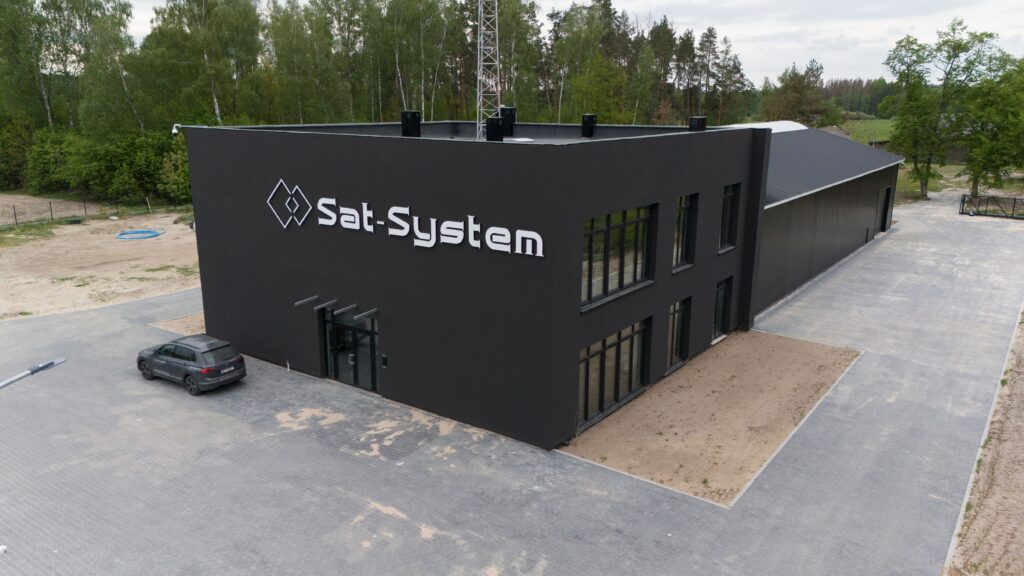
Product description
A BMS (Building Management System), also called a building management system or building automation system, is a superordinate IT platform that integrates and coordinates the operation of all of a facility’s technical installations — from ventilation, air conditioning and heating (HVAC), through lighting, electrical power and generator sets, to fire-protection systems, access control, video monitoring, lifts and water and sewage installations. Instead of operating each of these installations separately, the BMS collects data from all subsystems in one place and allows them to be managed from a common interface.
The core of the system is the automation layer: sensors (of temperature, humidity, air quality, presence, energy consumption) and executive elements (actuators, dampers, valves, contactors) connected to freely programmable controllers. The controllers communicate with one another and with the central server using standard building automation protocols such as BACnet, Modbus, KNX, LonWorks or OPC, which allows the integration of devices from different manufacturers within a single coherent architecture.
At the superordinate level, the BMS provides an extensive graphical interface (SCADA) in the form of interactive floor plans, installation diagrams and parameter panels. It allows the operator to continuously track the state of devices, read measured values (temperatures, pressures, flows, media consumption levels), and change settings and setpoints — for example the target temperature in a zone, ventilation operating schedules or lighting scenarios — without the need for physical intervention at the device.
An equally important function is the management of alarms and events: the system automatically detects deviations from the set parameters, faults, threshold exceedances or the loss of communication with a device, and then informs the technical staff via on-screen notifications, e-mail, SMS or audible signalling, and every event is recorded in a history log with a time stamp. The collected historical data additionally enables the generation of reports, the analysis of energy consumption trends and the optimisation of device operating schedules, which translates into lower operating costs, extended equipment service life and greater comfort and safety for the building’s users.